
The White Dress Styling Notes That Keep It Feeling Urban

NYC Style Journal fashion editorial asset

The White Dress Styling Notes That Keep It Feeling Urban is less about collecting new pieces and more about refining how familiar ones work together. The strongest version depends on proportion, texture, and one finishing move that makes the outfit feel resolved.

Start with the shape

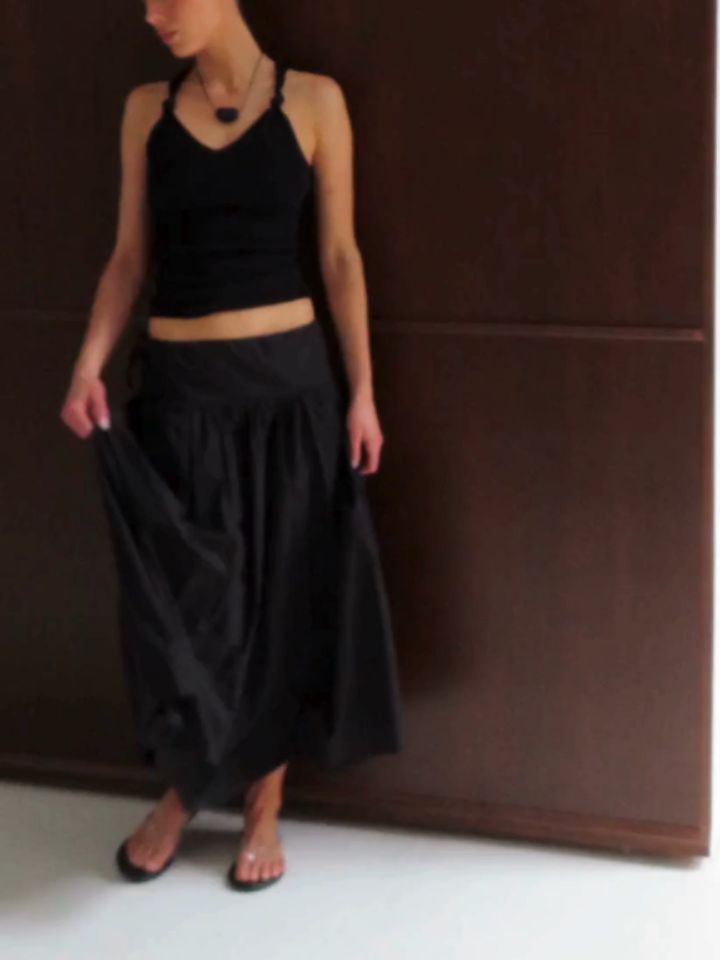
White pieces look strongest when the styling around them stays deliberate. Footwear, bag color, and the amount of exposed ankle all change the tone quickly.
NYC Style Journal fashion editorial asset

Use one stronger styling move

A dress can solve proportion quickly when the line is strong enough on its own. The styling works hardest when the accessories support the shape instead of interrupting it.

Finish with restraint

The strongest city looks are the ones that survive walking, commuting, and weather changes without losing their shape. Proportion matters more than novelty once the outfit is in motion.

Related reading: The Nolita To Upper East Side Style Difference and Why Soft Neutrals Feel Stronger Than Black Right Now.
The strongest styling posts stay useful because they translate trend movement into decisions that work on an actual city schedule.

Think of this journal entry as a working reference: proportion, texture, footwear, and finishing details all matter more than novelty on its own.

A polished wardrobe usually comes from repetition with intent, not from constant replacement, which is why the most reliable combinations are worth documenting clearly.

New York style changes fastest at the edges, in how people layer, shorten, soften, or sharpen familiar pieces rather than abandon them outright.

The goal here is not to chase every shift in fashion, but to keep noticing the combinations that look grounded, modern, and easy to repeat.

NYC Style Journal fashion editorial asset

When a look holds up through walking, weather changes, and a full day of movement, it tends to read better than an outfit that only works in one setting.

These details are worth saving because they build a more coherent wardrobe over time: better shoes, cleaner layers, stronger silhouettes, and fewer unnecessary choices.

What makes an outfit memorable is often the discipline behind it, with one strong proportion or one clean accessory carrying the rest of the look.

Returning to the same styling formulas in different weather and neighborhoods is useful because it shows which ideas are flexible enough to become habits.

A sharp editorial eye is less about adding more and more visual noise, and more about editing down to the pieces that still look precise after a full day in the city.

This kind of wardrobe note becomes more valuable when it is specific enough to guide the next outfit, not just describe the last one.