
The allure of a Vogue cover is undeniable. Each month, the magazine presents an image that captures not only the zeitgeist but also the essence of personal style. Analyzing these covers reveals key lessons about silhouette, strong concepts, and the art of restraint in beauty. By understanding how these elements work together, you can translate this high-fashion language into your own wardrobe, creating looks that are both striking and authentic. This article will guide you through the foundational components of a successful Vogue cover look and how to incorporate them into your everyday fashion choices.
The Power of Silhouette
One of the strongest aspects of a Vogue cover is its silhouette. The way an outfit frames the body can dramatically enhance or detract from the overall message of the image. For instance, consider the iconic hourglass shape that frequently graces fashion editorials. This silhouette not only flatters a variety of body types but also creates a sense of drama and elegance. To apply this lesson, think about how you can emphasize your own shape through tailored pieces that highlight your waist or structured garments that create visual interest. In neighborhoods like SoHo or the Upper East Side, where style is often bold and confident, experimenting with different silhouettes can set you apart and make a powerful statement.

Another vital lesson from Vogue covers is the importance of having one strong idea. Each cover typically revolves around a central theme, whether it’s a color palette, a specific texture, or a cultural reference. This singular focus allows for a cohesive look that resonates with the viewer. When dressing for an occasion, consider what message you want to convey and choose your outfit elements accordingly. For instance, if you’re attending an art gallery opening in Chelsea, select a striking piece—perhaps a bold print dress or a tailored blazer—and build your outfit around that focal point. This approach not only simplifies the decision-making process but also ensures that your look is intentional and memorable.
Embracing Beauty Restraint
Beauty restraint is another crucial element found in successful Vogue covers. Often, less is more when it comes to makeup and accessories. A strong cover will typically feature a model with polished but understated makeup that allows the clothing to shine. To incorporate this principle, focus on enhancing your natural features rather than masking them. Choose a few key products that highlight your best features, like a tinted moisturizer for a fresh glow or a bold lip color that draws attention without overwhelming your look. This minimalist approach is particularly effective for daytime events in neighborhoods like Williamsburg or the West Village, where effortless chic is the norm.
Finally, translating these Vogue-inspired elements into daily dressing involves a willingness to experiment and adapt. Personal style is about expressing who you are while taking inspiration from the world around you. Pay attention to the details—how does the fabric drape, what accessories can elevate your outfit, and how do you feel in the ensemble? Whether you’re heading to brunch in the East Village or a business meeting in Midtown, remember that the essence of a great Vogue cover can enhance your personal style. By focusing on silhouette, a strong idea, and beauty restraint, you can curate a wardrobe that not only reflects high fashion but also resonates with your individuality.
The strongest styling posts stay useful because they translate trend movement into decisions that work on an actual city schedule.
Think of this journal entry as a working reference: proportion, texture, footwear, and finishing details all matter more than novelty on its own.
A polished wardrobe usually comes from repetition with intent, not from constant replacement, which is why the most reliable combinations are worth documenting clearly.
New York style changes fastest at the edges, in how people layer, shorten, soften, or sharpen familiar pieces rather than abandon them outright.
The goal here is not to chase every shift in fashion, but to keep noticing the combinations that look grounded, modern, and easy to repeat.
When a look holds up through walking, weather changes, and a full day of movement, it tends to read better than an outfit that only works in one setting.
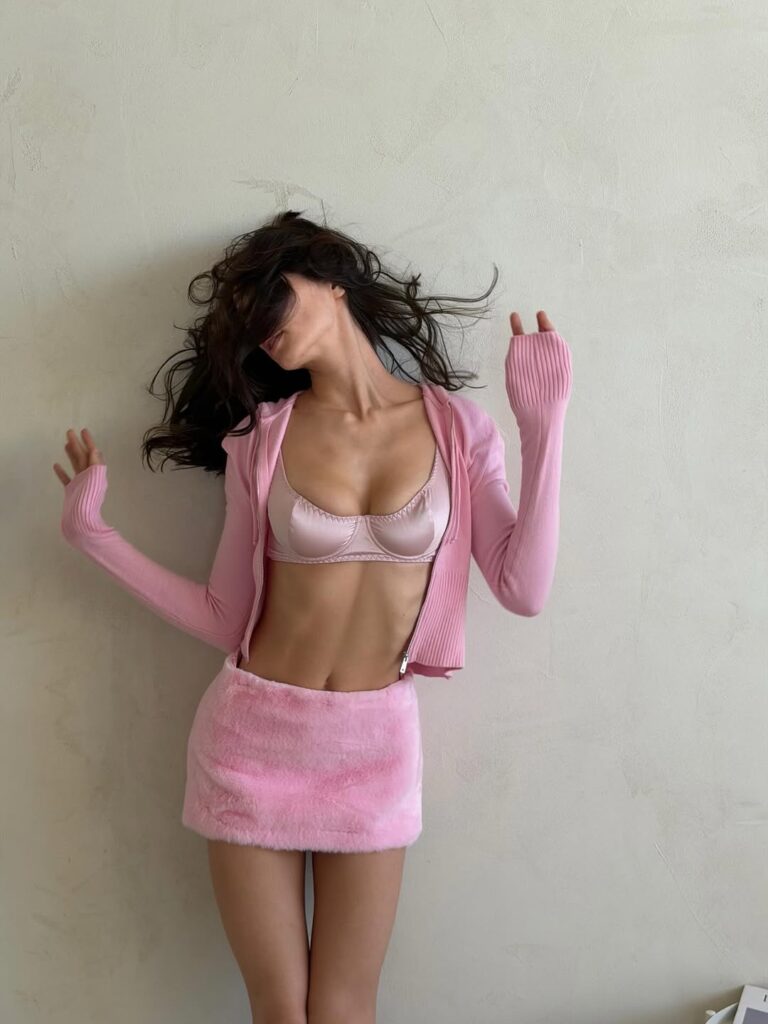
These details are worth saving because they build a more coherent wardrobe over time: better shoes, cleaner layers, stronger silhouettes, and fewer unnecessary choices.
What makes an outfit memorable is often the discipline behind it, with one strong proportion or one clean accessory carrying the rest of the look.
Returning to the same styling formulas in different weather and neighborhoods is useful because it shows which ideas are flexible enough to become habits.
A sharp editorial eye is less about adding more and more visual noise, and more about editing down to the pieces that still look precise after a full day in the city.
This kind of wardrobe note becomes more valuable when it is specific enough to guide the next outfit, not just describe the last one.
The through-line in city dressing is usually clarity: clothes that know what they are doing, silhouettes that hold, and details that finish rather than distract.