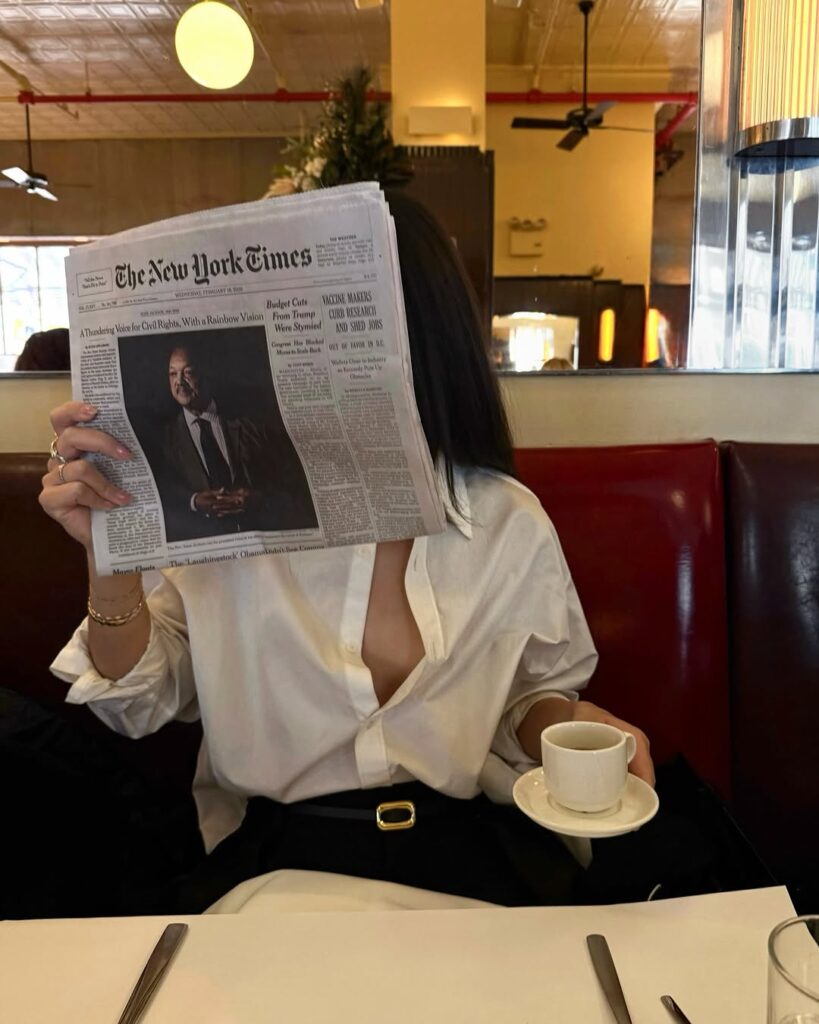
Japanese street fashion is a vibrant tapestry of influences that celebrates individuality, creativity, and cultural nuances. While it is often associated with the bold styles of Harajuku and Shibuya, the principles behind this fashion movement can be thoughtfully adapted for the streets of New York City. In a metropolis that thrives on diversity and self-expression, layering becomes a crucial element in achieving the dynamic, multi-dimensional looks that characterize both Japanese street style and NYC fashion. This article aims to unpack these concepts, giving New Yorkers fresh insights into the art of layering through the lens of Japanese aesthetics.
Understanding the Art of Layering in Japanese Street Fashion
Layering in Japanese street fashion is not merely about adding more clothing; it’s an art form that emphasizes proportion, utility, and texture. The Japanese approach often involves mixing various lengths, fabrics, and colors to create a harmonious look. For example, a long, oversized kimono might be paired with a fitted turtleneck and wide-legged trousers, showcasing a striking silhouette that plays with dimensions. In the bustling streets of NYC, where the weather can shift dramatically, employing similar layering techniques allows for both style and practicality. Consider wearing a tailored blazer over a lightweight hoodie, or a denim jacket layered with a flowing maxi dress, to navigate the unpredictable climate while maintaining a keen sense of fashion.

Incorporating texture is another hallmark of Japanese layering that NYC residents can adopt. Fabrics such as denim, cotton, silk, and even nylon can coexist in a single outfit, creating visual interest and depth. The key is to balance these textures to avoid overwhelming the senses. For instance, a soft, textured sweater can be paired with a sleek, shiny skirt or trousers to create a striking contrast. Neighborhoods like Williamsburg or SoHo are perfect for experimenting with these combinations, where the local style ethos encourages creativity and self-expression. Consider layering a chunky knit over a satin slip dress for a chic daytime look that transitions into evening effortlessly.
Practical Tips for NYC Dressers: Borrowing from Japanese Influence
When it comes to practical tips for NYC dressers looking to embrace Japanese street fashion principles, it’s essential to focus on functionality. Street style in Japan is often about being prepared for any situation, which means layering for warmth, versatility, and adaptability. For instance, a simple base layer—like a fitted t-shirt or tank—can serve as the foundation for a myriad of outfits. Add a button-up shirt, a vest, and an outer jacket to adjust your look according to the day’s activities. This approach is particularly useful for New Yorkers who find themselves transitioning from day to night, whether it’s heading to a gallery opening in the Lower East Side or enjoying brunch in the West Village.
In addition to layering, consider the importance of accessories to enhance your outfit’s overall aesthetic. Japanese street fashion often features bold, statement accessories that complement the layered looks. In NYC, this can translate to oversized hats, unique bags, or eclectic jewelry that draws attention without overshadowing the main outfit. Look for local boutiques in neighborhoods like East Village or the Bowery for one-of-a-kind pieces that can elevate your layered ensembles. By thoughtfully incorporating these elements, you can create a distinctive style that resonates with the spirit of Japanese street fashion while remaining authentically New York.